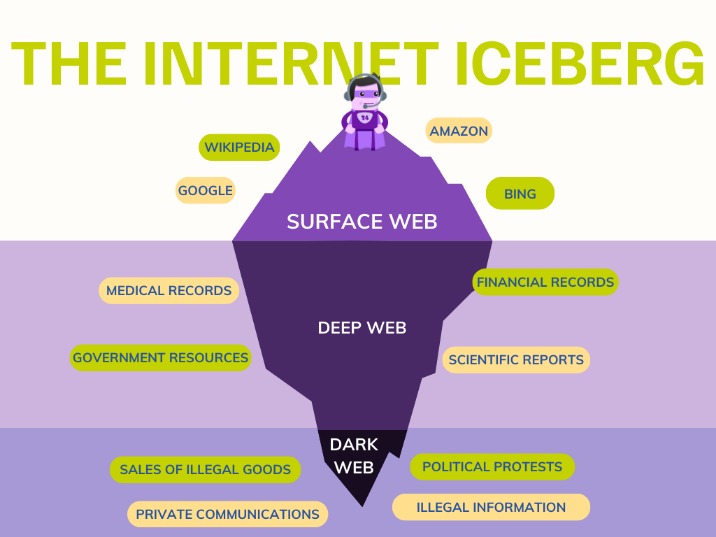
The dark web is a hidden part of the internet that requires specific software and configurations to access. Unlike the surface web, which is indexed by standard search engines like Google, the dark web hosts a wide array of content, from legitimate forums to illegal marketplaces. To navigate this obscure space, users rely on specialized dark web search engines capable of finding information not indexed by conventional search engines.
- Accessing the dark web requires special browsers like Tor, as standard search engines such as Google cannot index .onion websites.
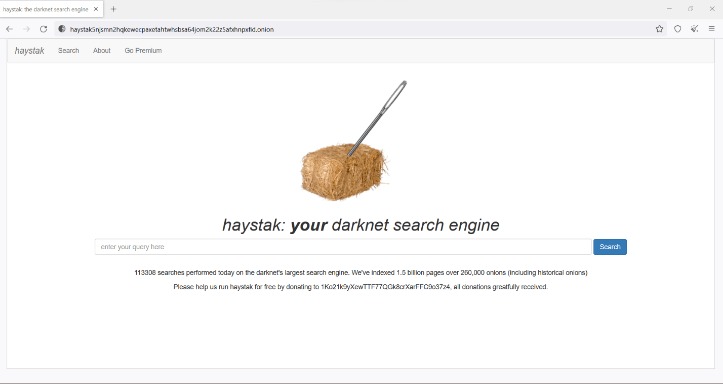
- Haystak is a Dark Web search engine designed for the Tor network.
- Haystak is a dark web browser that offers better filtering features that help users refine their search results, enabling them to locate exactly what they need.
- An underground search engine guides you to the correct shelf by providing you with a custom, hidden catalog.
Dark Web Search Engines
In contrast to websites on the surface web that anyone can visit, dark web sites are hidden in very tightly secured networks that can only be accessed by means of a dark web browser which is one of the advanced tools. Access dark web search engines only through the Tor Browser to ensure traffic stays within the Tor network. These search engines help users find marketplaces, forums, data leaks, whistleblower content, and more — all anonymously. A Dark Web search engine functions similarly to regular search engines, but it indexes .onion sites found on the Tor (The Onion Router) network. While the surface web is easily accessible, the Dark Web offers anonymity, uncensored content, and resources that are hidden from traditional search engines like Google or Bing. Dark web search engines only index .onion sites on the Tor network.
Dark web search engines serve as gateways to this enigmatic segment of the internet. Here are a few prominent ones:
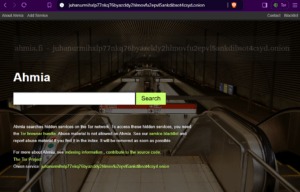
- Ahmia: This search engine allows users to search .onion sites and is known for indexing legal content.
- Not Evil: A user-friendly search engine offering a more straightforward interface for discovering .onion sites.
- DuckDuckGo (on the dark web): While primarily known as a surface web search engine, DuckDuckGo has a version that functions in the dark web, ensuring anonymity.
- Candle: A simple search engine designed for users to find .onion sites easily, particularly known for its minimalist interface.
- SearX: A meta-search engine that aggregates results from various sources, including dark web content.
The dark web is a small subset that requires special software like Tor to access. Leaked databases and whistleblower platforms like SecureDrop are also indexed. They also monitor infostealer channels for real-time alerts when company credentials appear. Even if Google tried, site operators could block standard crawlers. No, accessing the dark web is legal in most countries. Use a VPN before connecting to Tor for added security.
The dark web is estimated to be significantly larger than the surface web, but much of it remains hidden or inaccessible. Yes, they may use them for investigations, monitoring marketplaces, or tracking illegal activity. Search engines only index publicly known .onion links.
How Dark Web Search Engines Work
Dark web search engines crawl and index .onion sites using technology similar to traditional search engines. However, due to the lack of a centralized authority and the ephemeral nature of many dark web sites, this indexing can be challenging:
– Limited Accessibility: Dark web sites can go offline quickly, meaning that search engines must frequently update their indexes.
– Anonymity Focus: Most dark web search engines are designed with privacy in mind, meaning user data isn’t stored or tracked.
– Content Variety: Results can be unpredictable, ranging from forums discussing conspiracy theories to illegal marketplaces.
Benefits and Drawbacks
Using dark web search engines comes with its own set of advantages and disadvantages:
Benefits
- Anonymity: Users can search and browse without revealing their identity.
- Access to Information: Dark web search engines can provide access to information that is unavailable on the surface web.
- Encrypted Communication: Many dark web platforms offer end-to-end encryption for enhanced privacy.
Drawbacks
- Illegal Content: Many search results may lead to illegal activities or illicit content.
- Limited Usefulness: Not all search engines index useful or relevant information.
- Security Risks: Browsing the dark web can expose users to malware and other cybersecurity threats.
FAQs
Is it safe to use dark web search engines?
While dark web search engines prioritize user privacy, the dark web itself carries risks, including exposure to illegal content and potential cyber threats. Always use a VPN and be cautious.
What kind of information can I find on the dark web?
The dark web contains a variety of information, including forums, blogs, and marketplaces, but much of this content can be illegal or malicious in nature.
Do I need special software to access dark web search engines?
Yes, most dark web search engines require the Tor browser or similar software to access .onion sites.
Exploring the dark web can be intriguing, but users should exercise caution and ensure they understand the risks involved. Dark web search engines play a crucial role in accessing this hidden world, providing entry points to content far removed from the traditional browsing experience.