Over the 2+1⁄2 years in which the website was in operation, it generated $183 million in sales and $13 million in commissions, based on the value of bitcoin at the time of transactions. The Silk Road offered over 24,400 products related to drugs for sale and an infrastructure that made these transactions. When the Silk Road marketplace first began, the creator and administrators instituted terms of service that prohibited the sale of anything whose purpose was to "harm or defraud". Attorney's Office of the Northern District of California, the bitcoin wallet belonged to an "Individual X" who had originally acquired the bitcoins by hacking the Silk Road. 23-year-old Dutch drug dealer Cornelis Jan Slomp pled guilty to large-scale selling of drugs through the Silk Road website, and was sentenced in Chicago to 10 years in prison on 29 May 2015 with his attorney, Paul Petruzzi, present. Marshals Service sold 29,657 bitcoins in 10 blocks in an online auction, estimated to be worth $18 million at contemporary rates and only about a quarter of the seized bitcoins.
The Silk Road represents one of the most notorious chapters in the history of the dark web, serving as both a marketplace and a symbol of the complexities surrounding illegal trade on the internet. Launched in 2011, this online platform became infamous for facilitating the trade of illicit drugs, fake documents, and other contraband, all while providing a level of anonymity for its users. The story of the Silk Road serves as a cautionary tale about the intersection of technology, privacy, and law enforcement in the digital age.
- Accessed with an app, the Tor network allowed users to anonymously browse Silk Road without the threat of traffic monitoring.
- All of these risks contribute to the volatility and criminality of cyber black markets.
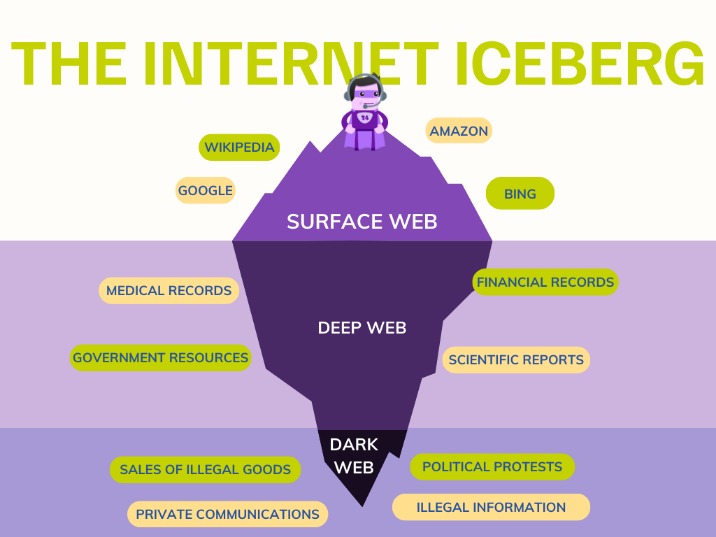
- While the dark web isn't inherently illegal, it is rife with scams, malware, and illegal activity.
- Preventive Approach participates in various affiliate marketing programs, which means we may get paid commissions on editorially chosen products purchased through our links to retailer sites.
- To gain more attention, he also posted anonymously on Bitcoin forums and wrote about how Silk Road works, how to use Tor, and how to exchange cash into Bitcoins.
In May 2013, Silk Road was taken down for a short period of time by a sustained DDoS attack. In June 2011, Gawker published an article about the site which led to an increase in notoriety and website traffic. The name "Silk Road" comes from a historical network of trade routes started during the Han Dynasty (206 BCE – 220 CE) between Europe, India, China, and many other countries on the Afro-Eurasian landmass.
Dark Web Silk Road
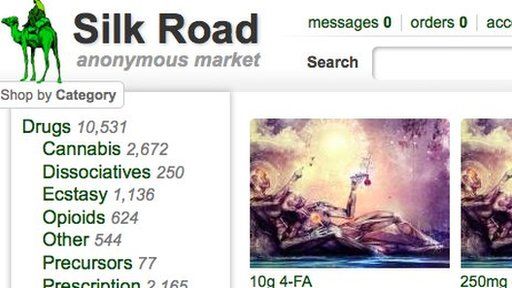
Once access was granted, vendors and customers used Silk Road to make transactions with cryptocurrency or via an escrow (a trusted third party). Today, Silk Road is an important case study when analyzing the growth of other dark web markets. All transactions were conducted in cryptocurrency — namely Bitcoin — which further ensured anonymity. Silk Road operated via a hidden darknet feature in the anonymous Tor network.
At its core, the Silk Road operated on the Tor network, an encrypted platform that allows users to browse the internet anonymously. This anonymity attracted a vast array of buyers and sellers who sought to engage in transactions that would be difficult, if not impossible, to conduct on the surface web.
Key Features of the Silk Road
- Anonymity: Users accessed the site through Tor, which masks their IP addresses.
- Bitcoin Transactions: The Silk Road exclusively accepted Bitcoin, making financial transactions harder to trace.
- Rating System: Users could rate sellers, creating a feedback loop that increased trust within the community.
- Product Diversity: From narcotics to hacking services, the range of products available was astonishing.
Impact on Society
The impact of the Silk Road has been multi-faceted, raising several critical issues:
- Drug Policy: The Silk Road forced governments to re-evaluate their approaches to drug enforcement and policy.
- Cybersecurity: It highlighted the need for stronger cybersecurity measures to combat illegal activities online.
- Privacy Rights: The platform sparked debates around the balance between privacy and enforcement of the law.
- Australian police and the DEA have targeted Silk Road users and made arrests, albeit with limited success at reaching convictions.
- Authorities knew Ulbricht and the marketplace had handled an enormous amount of Bitcoin through transactions and commissions.
- After Ulbricht’s arrest, Silk Road was shut down, and the FBI seized 26,000 Bitcoin from users.
- His marketplace was coded, hidden behind Tor for anonymity, and powered by Bitcoin for payments.
- Silk Road 2.0 came online the next month, run by other administrators of the former site, but was shut down the following year as part of Operation Onymous.
The Rise and Fall
The Silk Road’s rise was meteoric, but it was ultimately shut down by the FBI in 2013. The arrest of its creator, Ross Ulbricht, marked the beginning of a wider crackdown on dark web marketplaces. Nevertheless, the concept of the Silk Road has endured, spawning numerous copycat sites and highlighting the persistent challenges law enforcement faces in the digital space.
FAQs about the Dark Web Silk Road
What made the Silk Road unique?
Its combination of anonymity provided by Tor and the use of Bitcoin for transactions made it unique among dark web marketplaces.
What happened to Ross Ulbricht?

He was sentenced to life in prison without parole in 2015 after being convicted of charges related to the operation of the Silk Road.
Are there still places like the Silk Road today?
Yes, many alternative dark web marketplaces have emerged since the Silk Road was taken down, though they frequently face similar fates.
How can one access the dark web safely?
Accessing the dark web should be done cautiously, employing security measures such as VPNs and secure browsing configurations.
In summary, the Silk Road has left an indelible mark on the landscape of the dark web, underlining both the possibilities and perils of anonymous internet transactions. The legacy of the Silk Road continues as new platforms rise and fall, reflecting the ongoing struggle between illicit trade and regulatory responses. As technology evolves, so too do the challenges and ethical considerations that accompany it.