This method is called Tor over VPN, and it’s a great way to increase your privacy over using Tor alone. Needless to say, we don’t condone any content forbidden by law. Naturally, this makes the dark web a breeding ground for illegal activity. With the above dangers, it’s imperative to tread carefully as you step into the dark web. While the dark web boosts freedom of information and communication, it’s also filled with dangers. This adds another layer of protection when you’re visiting the dark web on top of the privacy and security our encryption and IP masking provide.
Don’t click on suspicious links, be skeptical of what you read, and avoid dark web marketplaces if you don’t want to stumble on illegal activity or content. But onion sites can also serve nobler goals, like providing access to information and independent journalism in countries with government censorship. Using Tor to access dark web links isn’t illegal, but your ISP will notice, and others may too.
The dark web.onion represents a hidden part of the internet, inaccessible through traditional web browsers. This clandestine realm is known for both its anonymity and the illicit activities that can thrive within it. While often associated with illegal services and dangerous encounters, there is also a community of individuals seeking privacy and freedom from censorship. Understanding the dark web.onion requires delving into its unique structure, potential risks, and the reasons people navigate through its shadowy corridors.
Dark Webonion
The term dark web.onion is derived from the use of .onion domains, which can only be accessed using specialized browsers such as Tor (The Onion Router). This technology encrypts user data and masks their IP addresses, allowing for anonymous communication and browsing. The dark web.onion is a space where individuals can share information, conduct transactions, and exchange ideas without fear of surveillance.

Accessing the Dark Webonion
To access dark web.onion sites, users typically download the Tor browser and connect to the Tor network. This network operates on a series of volunteer-operated servers that reroute internet traffic, making it exceedingly difficult to trace user activity. Although the dark web.onion offers protection against surveillance, users must still exercise caution, as the anonymity it provides can attract malicious elements.
Legal and Illegal Activities
Within the dark web.onion, a range of activities exists, both legal and illegal. While some individuals use this part of the internet to avoid government censorship and oppression, others engage in nefarious activities such as drug trafficking, weapons sales, and human trafficking. Marketplaces on the dark web.onion often depict a dual nature; they can be both a hub for illegal transactions and a platform for legitimate free speech.
Risks and Challenges
Navigating the dark web.onion poses significant risks. Law enforcement agencies frequently monitor these areas for illegal activities, and users might find themselves unwittingly involved in criminal behavior. Moreover, many sites on the dark web.onion are fraudulent or dangerous, leading to scams or exposure to harmful content. It is crucial for users to approach this realm with caution and awareness of the potential dangers associated with it.
Conclusion
- But this area of the Internet is more than that—it is a necessary layer of the Internet for journalists to communicate with their sources, activists to dodge censorship, and regular people to regain their privacy in terms of communication.
- With a dedicated onion browser you get built‑in encryption and a clean UI.
- It aims to advance research on terminal illnesses like cancer with access to unbiased scientific publications.
- While the Tor Project does its best to anonymize your browsing as much as possible, it’s not a perfect solution.
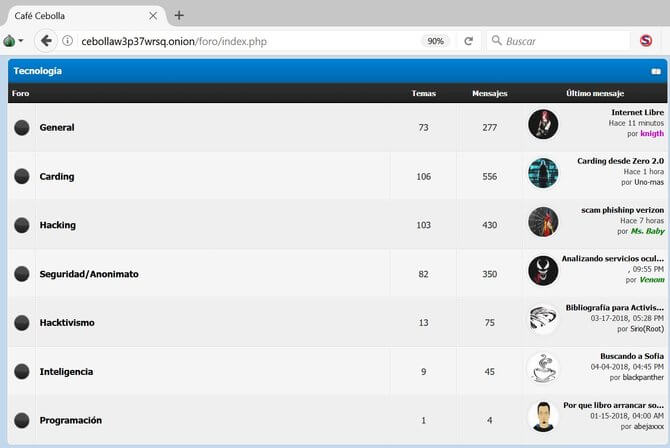
- Dark web websites have URLs that end in .onion, which usually consist of a 32-characters sequence of random letters and numbers.
The dark web.onion is a fascinating and complex part of the internet that presents opportunities for both freedom and risk. While it serves as a refuge for those seeking privacy, it also harbors threats that can lead to unlawful activities. Understanding the implications of the dark web.onion and practicing safe browsing techniques is essential for anyone considering exploring this hidden corner of the web.