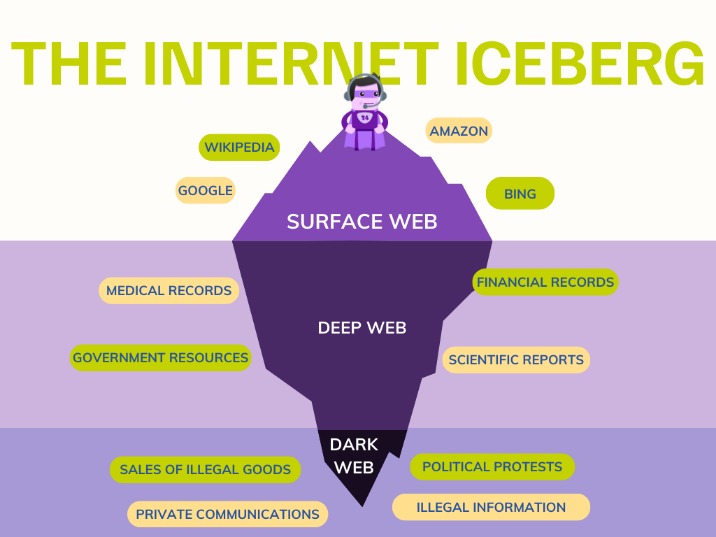
The dark web represents a hidden portion of the internet that remains inaccessible through standard search engines. It is notorious for hosting illicit activities, but it also supports privacy, anonymity, and free speech for individuals in oppressive regimes. Understanding how to navigate this digital underworld is essential for those seeking specific information or content found only on the dark web.
Dark Web Search
Conducting a dark web search requires specialized tools and an understanding of unique resources. Unlike the surface web, which is indexed by traditional search engines like Google, the dark web consists of numerous hidden websites with .onion or .i2p domains. To access these sites, users typically rely on the Tor Browser, which masks users' identities and locations.
How to Access the Dark Web
To effectively engage in dark web search, it's crucial to follow a few fundamental steps:
- Download the Tor Browser: This browser is specially designed to access the dark web and helps maintain user anonymity.
- Use VPN Services: While the Tor network provides some level of privacy, adding a VPN can enhance security and protect against potential leaks.
- Research Directories and Resources: Familiarize yourself with dark web search engines and directories such as The Hidden Wiki, which list various sites and resources.
Finding Reliable Dark Web Content

Searching the dark web can be daunting due to its sheer size and the presence of illicit content. However, it can also be a treasure trove of valuable information. Some common resources used in dark web search include:
- DuckDuckGo: Known for its privacy and no tracking, this search engine provides a means of accessing dark web content without retaining user data.
- Ahmia: A search engine focused on providing access to .onion websites while filtering out illegal content.
- Not Evil: This search engine emphasizes user-friendly navigation, providing links to various dark web domains.
Risks Involved with Dark Web Search
Navigating the dark web carries inherent risks. Users may encounter harmful content or be exposed to scams. Furthermore, law enforcement agencies monitor various dark web activities, making it vital for users to exercise caution:
- Be Wary of Downloads: Downloading files from unknown sources can lead to malware infections.
- Avoid Engaging in Illegal Activities: Getting involved in illicit transactions can lead to legal consequences.
- Stay Anonymous: Avoid sharing personal information or engaging in conversations that could compromise your identity.
Conclusion
Engaging in dark web search offers a unique opportunity to explore hidden corners of the internet. While it can serve as a valuable resource for both information and privacy, users must navigate this space with caution. By utilizing the right tools and understanding the risks involved, it is possible to uncover the dark web's intriguing and sometimes dangerous secrets.