A notorious online black market called Silk Road was shut down by the FBI in 2013. This means that the dark web is full of illegal drug and firearm transactions, pornography, and gambling. The websites in the dark web are characterized by their use of encryption software that makes their users and their locations anonymous. In other words, if Google can’t find what you’re looking for, it’s probably still out there in the World Wide Web; it’s just in the harder-to-access deep web. Discover what private browsing does (and doesn’t) protect in year, &… In contrast, the dark web requires special software most commonly the Tor browser to navigate its encrypted and hidden pages.
The internet is a vast expanse of information, but not all of it is accessible through standard search engines like Google or Bing. The terms deep web and dark web are often used interchangeably, but they represent two distinct layers of the web. Understanding the differences between them can enhance awareness about privacy, security, and the accessibility of online content.
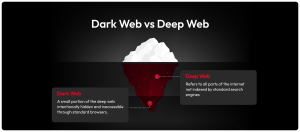
Dark Web Vs Deep Web
Before delving into the differences, it is essential to define each term:
What is the Deep Web?
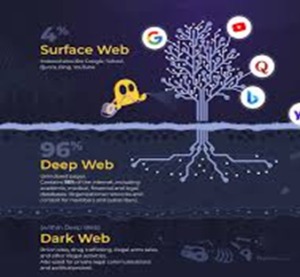
The deep web consists of all parts of the internet that are not indexed by traditional search engines. This includes a vast array of content, such as:
- Private databases (e.g., medical records, legal documents)
- Subscription-based content
- Corporate intranets
- Academic journals
These resources are not "hidden" per se but are simply not meant for public consumption or require specific access credentials to view them. The deep web is estimated to be significantly larger than the surface web, containing far more information.
What is the Dark Web?
The dark web, on the other hand, is a small segment of the deep web designed specifically to be hidden. It can only be accessed using special software, the most common of which is Tor (The Onion Router). The dark web is notorious for its association with illegal activities, but it also serves as a platform for privacy-focused communications. Some key aspects include:
- Illicit marketplaces (e.g., drugs, weapons)
- Hacking services
- Forums for political activism
- Anonymous whistleblowing platforms
Key Differences Between Deep Web and Dark Web
Understanding the distinctions between the deep web and dark web is crucial for navigating the online landscape:
- Accessibility: The deep web can be accessed through regular browsers with appropriate permissions. The dark web requires special software like Tor.
- Content Nature: Deep web content is often benign and serves legitimate purposes, whereas dark web content can include illegal activities.
- Size: The deep web is vastly larger than the surface web, while the dark web is a much smaller, hidden fraction of the deep web.
- Anonymity: The dark web provides a higher level of anonymity compared to the deep web, attracting users who prioritize privacy, including those seeking to evade censorship or surveillance.
FAQs
- Is the deep web illegal? No, the deep web is not illegal. It contains legitimate information and resources that are not indexed for privacy reasons.
- Can I access the dark web safely? Accessing the dark web comes with risks, including exposure to illegal activities and potential cybersecurity threats. Caution is strongly advised.
- What percentage of the web is the dark web? The dark web constitutes only a small portion of the deep web, which is already much larger than the surface web.
- While this makes it a popular choice for privacy-focused users, it also opens the door to hidden risks.
- In general, the rules for accessing the deep web and the dark web safely are similar to the best practices for accessing the surface web.
- Thus, while the dark web carries significant risks, it also highlights complex issues related to privacy and expression in the digital landscape.
- The deep web refers to all parts of the internet that are not indexed by search engines like Google or Bing.
- Emerging technologies are reshaping the hidden layers of the internet.
In conclusion, while the deep web and dark web are often confused, they serve different purposes and levels of accessibility. The deep web protects personal and sensitive information, while the dark web attracts those seeking anonymity, often leading to both legal and illegal activities. Understanding these differences is vital for responsible and informed internet use.